Food safety and hygiene are all about making sure the food we eat is healthy, safe, and free from harmful germs. Whether you’re cooking dinner at home or running a restaurant, knowing the basics of food safety is key to protecting yourself and others. This guide breaks down simple practices that help prevent foodborne illness and keep your kitchen safe.
Thank you for reading this post, don’t forget to subscribe!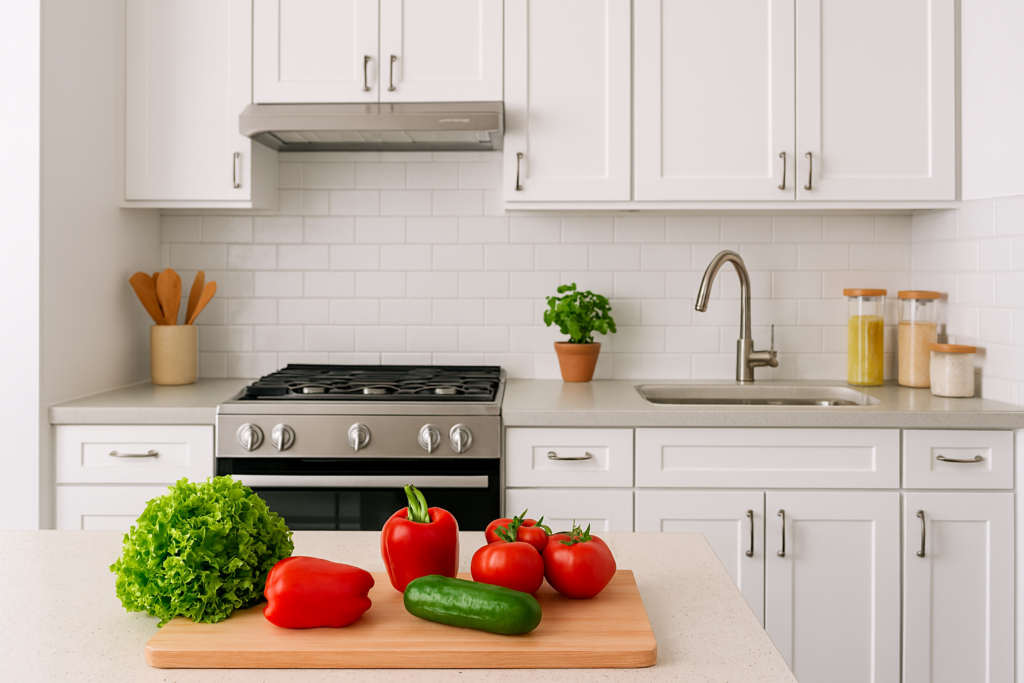
Fresh produce in a clean kitchen — the foundation of food safety.”
🚨 Why Food Safety and Hygiene Matter.
Foodborne illness happens when we eat food or drink that’s contaminated with bacteria, viruses, parasites, or chemicals. The symptoms can range from mild stomach cramps to severe vomiting, diarrhea, and even life-threatening conditions.
Here’s the good news: most foodborne illnesses are preventable. By following smart food safety habits, we can cut down the risk of contamination and make sure the meals we serve are safe.
🔑 The Four Basics of Food Safety
Think of food safety as four simple steps: Clean, Separate, Cook, Chill.
1. Clean: Wash Hands and Surfaces
- Wash your hands: Scrub with soap and warm water for at least 20 seconds before handling food, especially after touching raw meat, poultry, seafood, or eggs.
- Clean surfaces and utensils: Counters, cutting boards, and knives can carry germs. Wash them with hot, soapy water after each use. For extra protection, use a kitchen sanitizer.
- Rinse produce: Wash fruits and veggies under running water—even if you plan to peel them. For leafy greens, separate and rinse each leaf.
2. Separate: Stop Cross-Contamination
- Use different tools: Keep raw meat, poultry, and seafood away from ready-to-eat foods. Use separate cutting boards and knives.
- Store smart: In the fridge, keep raw meat sealed and on the bottom shelf so juices don’t drip onto other foods. Place ready-to-eat items like salads and fruit on the top shelf.
3. Cook: Heat Food to Safe Temps
- Use a food thermometer: Ground beef should hit 160°F, poultry 165°F. That’s the only way to know food is safe.
- Follow cooking times: Different foods need different times to reach safe temperatures.
- Avoid undercooking: Runny eggs, rare burgers, or undercooked seafood can carry harmful bacteria like Salmonella.
4. Chill: Keep Food Cold.
- Refrigerate quickly: Put perishable foods in the fridge within 2 hours (1 hour if it’s hotter than 90°F outside).
- Check fridge temps: Keep your fridge at 40°F or below, and your freezer at 0°F.
- Thaw safely: Defrost food in the fridge, microwave, or cold water—not on the counter.
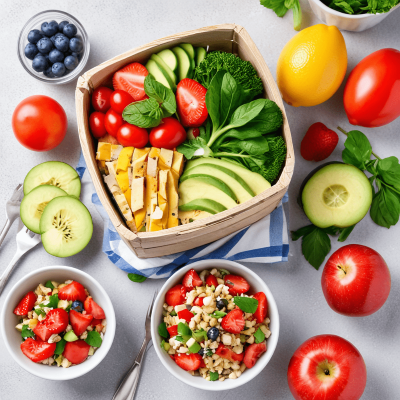
“Food safety keeps your meals healthy and your family safe
🧼 Everyday Kitchen Hygiene.
Food safety isn’t just about cooking—it’s about overall hygiene.
Personal Hygiene.
- Wear clean clothes and an apron when cooking.
- Tie back long hair or wear a hairnet.
- Avoid touching your face while handling food.
Keep the Kitchen Organized.
- Label and date leftovers: Eat within 3–4 days.
- Clean dishcloths and sponges: Wash dishcloths often. Sanitize sponges by microwaving them for a minute or soaking in hot water.
Handle Leftovers Safely.
- Refrigerate leftovers within 2 hours.
- Reheat to 165°F before eating.
👶 Food Safety for Vulnerable Groups.
Some people are more at risk: pregnant women, kids, older adults, and those with weakened immune systems.
- Pregnant women should avoid unpasteurized dairy, undercooked meat, raw seafood, and deli meats.
- Young children and seniors should stick to fully cooked, properly stored foods.
✅ The Bottom Line.
Food safety isn’t just a checklist—it’s a daily responsibility. From washing hands to cooking food to the right temperature, small steps make a big difference. By keeping your kitchen clean, organized, and mindful of safe practices, you’ll protect yourself, your family, and your community.
Stay safe, stay informed, and share what you know—because safe food is everyone’s business.
✅ Quick Food Safety Checklist.
Wash hands with soap and warm water for 20 seconds
Use separate cutting boards for raw meat and fresh produce
Cook foods to safe internal temperatures (use a food thermometer)
Refrigerate leftovers within 2 hours (1 hour if it’s hot outside)
Keep fridge at 40°F or below, freezer at 0°F.
Food safety isn’t just about rules—it’s about protecting the people you love. Share these tips with your family, friends, or coworkers, and help spread the word. Safe food means healthy communities.
“Share these tips with your family and friends — safe food is everyone’s responsibility.”
“This article is for educational purposes only. For specific health concerns, consult a medical professional.”
📚 Related Articles
- Kitchen Hygiene Tips for Beginners
- How to Prevent Food Contamination
- Safe Halal Food Handling Practices
- Understanding Expiration Dates: Best Before vs. Use By
- Cross-Contamination Explained: Cutting Boards & Utensils
- Buffet Safety Tips for Restaurants